
Thyroid
Sets the neural tempo. Too slow can read as depression; too fast can read as anxiety.
Accepting new patients.
Healing Advanced Solutions provides root-cause physiological support for mood, anxiety, and sleep concerns in Jacksonville, FL, working alongside mental health care, with testing reviewed by Catherine Seidle, APRN.
We do not treat mental health conditions. We investigate the physical contributors that can drive or worsen them, alongside your mental health care, never in place of it.
Mood and sleep sit downstream of physiology as well as psychology. Thyroid hormone sets neural tempo, blood sugar swings can mimic panic, low B12 or iron reads as depression-shaped fatigue, and cortisol rhythm decides whether 5 a.m. feels like morning or an emergency. And none of this is rare: the NIMH estimates 19.1 percent of US adults had an anxiety disorder in the past year.
When that physical layer is off, even excellent therapy can feel like pushing uphill. Checking the physiology is not an alternative to mental health care. It is due diligence alongside it.
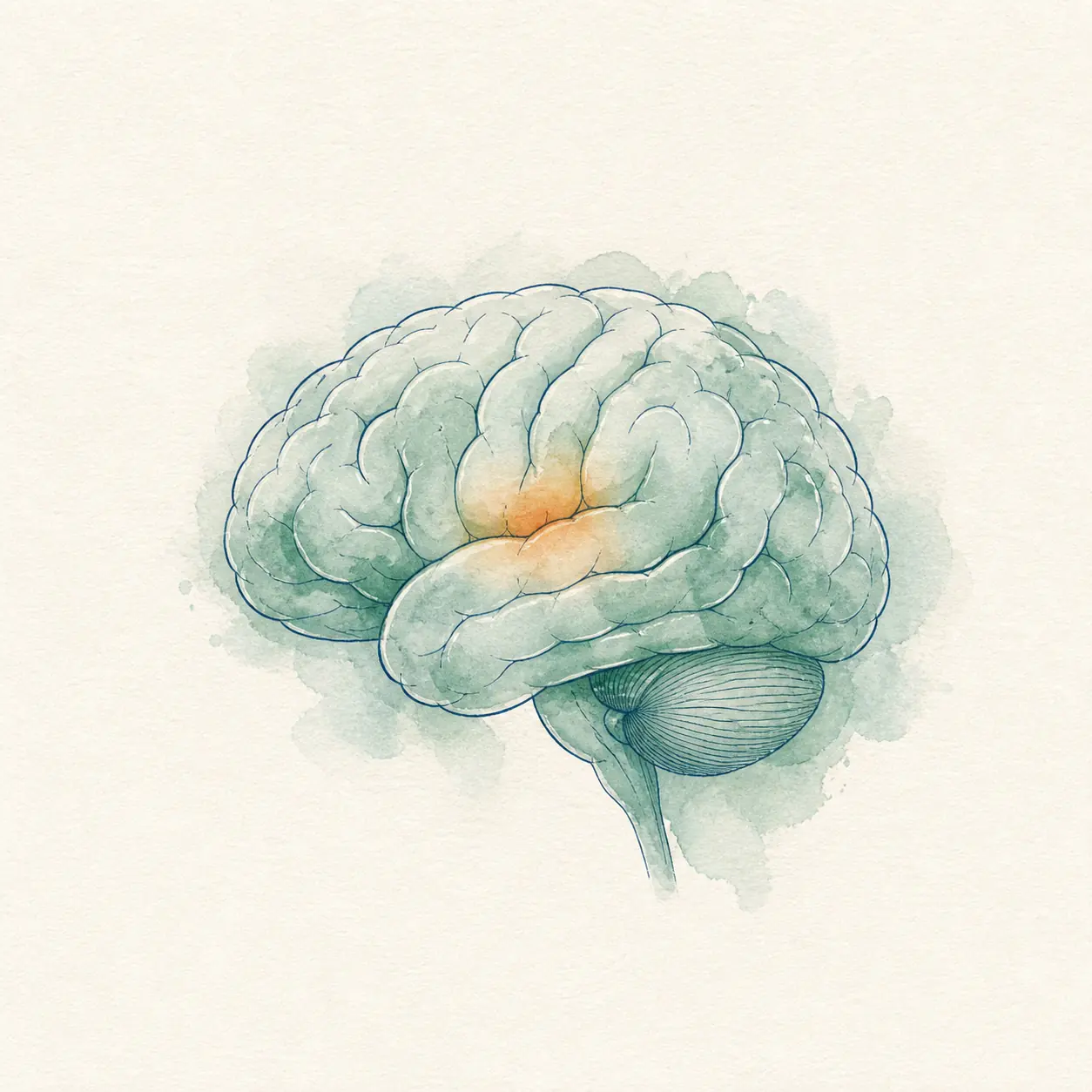
Sets the neural tempo. Too slow can read as depression; too fast can read as anxiety.
A sharp glucose drop can mimic a panic attack, complete with racing heart and dread.
Quiet deficits that show up as depression-shaped fatigue and brain fog, and are simple to check.
Decides whether early waking feels like morning or emergency. A disrupted curve tilts it toward the latter.
Hormone volatility moves mood, sleep, and anxiety at once, and it is routinely mistaken for something else. It is not only perimenopause, and not only women.
No result here diagnoses a mood disorder. Each of these can quietly imitate or intensify one, which is exactly why they are worth ruling out.
One lane of a two-lane road, and patients do best when both lanes run.
The division is intentional. Mental health conditions belong with mental health professionals, therapists and psychiatrists, who diagnose and treat them. Our lane is the systematic physical sweep beneath the symptoms: detailed history, targeted labs, and treatment of what the labs actually show, with findings communicated back to your existing providers.
Either result is useful. Either we find a physical contributor worth treating, or you and your providers get a clean physiological slate. Both outcomes are valuable, and neither one replaces the care you already have.
The neural-tempo setter, read the full way our thyroid page describes, not just a TSH.
B12, iron and ferritin, and vitamin D, the deficits that quietly read as low mood and fog.
Glucose and A1c, with fasting insulin added when indicated, because the crashes that feel like anxiety often live here.
Cortisol rhythm where the story fits (see cortisol), and hormones by stage of life (see perimenopause and low testosterone).
We do not prescribe antidepressant or anti-anxiety medication; those decisions belong with your prescriber. Results are read the way our lab testing page describes.
Ten to fifteen minutes. Tell us what you are carrying and we will help you decide whether testing could explain any of it.
A detailed history, sleep architecture included, and the physiology-first panel drawn in office.
Treat what the labs show, and a referral conversation, without stigma, when the picture calls for more mental health support.
Findings shared with your providers, so both lanes of your care are working from the same information.

The things patients ask most.
Yes, and it is more common than most people expect. Thyroid dysfunction, blood sugar swings, low B12 or iron, disrupted cortisol rhythms, perimenopause, and chronic inflammation can each produce or amplify anxiety, low mood, and brain fog. Checking the physiology is not an alternative to mental health care; it is due diligence alongside it.
The two jobs are different. Therapists and psychiatrists treat mental health conditions; we investigate the physical contributors that can drive or worsen symptoms. Many patients need both, and we work alongside your mental health providers, never in place of them.
Common physiological culprits include blood sugar dips overnight, cortisol rhythm disruption, alcohol, and perimenopause. The pattern matters diagnostically, which is why the sleep history in our evaluation is detailed rather than a single checkbox.
The physiology-first core: full thyroid panel, B12 and iron status, vitamin D, blood sugar and insulin, and hormone panels where the stage of life points. No result here diagnoses a mood disorder; each of these can quietly imitate or intensify one, which is why they are worth ruling out.
Our lane is the root-cause workup and the physiological plan; psychiatric medication decisions belong with your prescriber or psychiatrist, and we coordinate rather than duplicate. If our testing turns up something your prescriber should know, that communication is part of the job.
If you are having thoughts of harming yourself or others, call or text 988, the Suicide and Crisis Lifeline, or go to the nearest emergency room. That comes before any workup, and it matters more than anything on this page.
This information is for general education and is not medical advice, a diagnosis, or a substitute for care from your provider. Lab results are reviewed with you by Catherine Seidle, APRN.
A free consultation, ten to fifteen minutes. Tell us what you are carrying. If testing could explain any of it, that is worth ten minutes.
We reply within one business day.