
Blood sugar
Diabetes and prediabetes are the biggest drivers, and nerve damage starts in the prediabetic range, years before a diagnosis.
Accepting new patients.
Healing Advanced Solutions provides root-cause neuropathy evaluation in Jacksonville, FL, investigating the metabolic and nutritional drivers behind nerve symptoms, with testing reviewed by Catherine Seidle, APRN.
"Idiopathic" should be a conclusion, not a starting point. A meaningful share of cases have a findable driver, and the search is the job.
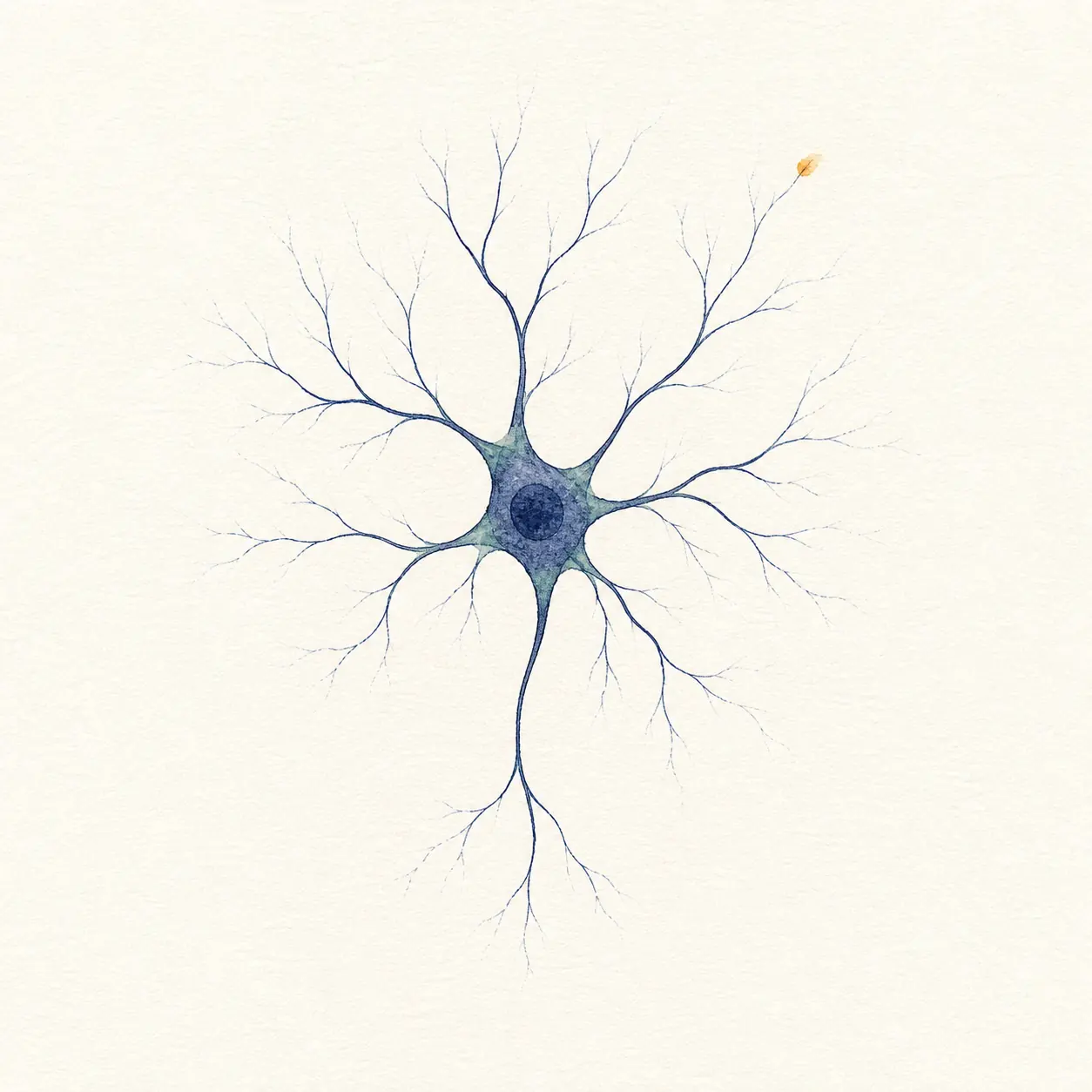
Peripheral nerves are long, hungry cells, and they are often the first to complain when the power supply falters: blood sugar running high, B12 running low, thyroid running slow, or circulation degrading. The burning, tingling, and numbness are the warning light, not the fault itself.
That is why neuropathy is so often a late sign of an earlier, treatable problem. Finding that problem is the whole point of a workup, and it is why the history is half the job.
Diabetes and prediabetes are the biggest drivers, and nerve damage starts in the prediabetic range, years before a diagnosis.
A low B12 can produce classic tingling and numbness on its own, and it is simple to check and correct.
An underactive thyroid slows nerve function along with everything else, and a routine TSH alone can miss it.
Long-term alcohol and certain medications, some chemotherapy among them, are known nerve stressors worth reviewing.
Some neuropathy is immune-driven, which changes the workup and often means coordinating with a specialist.
Emergencies are a different story: sudden weakness, loss of bladder or bowel control, symptoms spreading over hours, or numbness after an injury need emergency care first, not an outpatient workup.
A systematic sweep of the metabolic and nutritional causes, and triage for what belongs elsewhere.
The workup targets the causes that respond to treatment: blood sugar and insulin, B12, thyroid, kidney function, and inflammation, read against functional ranges the way our lab testing page describes. When the finding is a metabolic one, our metabolic health workup carries it.
Just as important is knowing what is not ours to solve. Nerve-conduction studies and atypical or rapidly changing patterns belong with neurology, and we refer and coordinate.
Ten to fifteen minutes. Describe the pattern and we will help you decide whether a root-cause workup fits, or a neurologist should come first.
A detailed history, the pattern and pace mapped, and the driver-directed panel drawn in office.
Metabolic repair, deficiency correction, or a medication review with your prescriber, matched to what the labs actually show.
Nerve timelines are slow. We measure symptoms and markers, and early on, no worse is a real win.
The things patients ask most.
Most often numbness, tingling, burning, or pins-and-needles starting in the feet or hands, sometimes with balance problems or pain that is worse at night. The pattern and pace matter diagnostically, which is why the history is half the workup.
Diabetes and prediabetes are the biggest drivers, followed by B12 and other nutrient deficiencies, alcohol, thyroid dysfunction, medications including some chemotherapy, and autoimmune processes. A meaningful share of cases labeled idiopathic turn out to have a findable metabolic or nutritional contributor when someone looks systematically.
It depends on the cause and the timeline, so be cautious with any promise of reversal. Nerves recover slowly when they recover at all; the realistic goals are finding the driver, stopping progression, and improving symptoms, and catching it early makes every one of those more achievable.
Because nerve damage from glucose problems starts in the prediabetic range, years before a diabetes diagnosis. Fasting insulin and A1c can reveal a metabolic driver in people whose regular glucose checks looked fine, and it is among the most common findings in a neuropathy workup.
Labs aimed at the treatable drivers: blood sugar and insulin, B12 with methylmalonic acid where indicated, thyroid, kidney function, and inflammation markers. Where nerve-conduction studies or a neurology referral are needed, we refer and coordinate.
Sudden weakness, loss of bladder or bowel control, symptoms spreading rapidly over hours to days, or numbness after an injury need emergency evaluation, not an outpatient workup. Go to the ER first; the root-cause conversation can wait.
This information is for general education and is not medical advice, a diagnosis, or a substitute for care from your provider. Lab results are reviewed with you by Catherine Seidle, APRN.
A free consultation, ten to fifteen minutes. Describe the pattern. Sometimes the answer is a root-cause workup and sometimes it is a neurologist first; the call settles which.
We reply within one business day.