
BPC-157 in Jacksonville, from $180 a vial.
Healing Advanced Solutions offers BPC-157 in Jacksonville, FL at $180 for a take-home vial, prescribed and monitored by Catherine Seidle, APRN after a free consultation. BPC-157 is a synthetic fifteen amino acid peptide based on a protein found in human gastric juice, used for recovery and repair.
- Provider-prescribed
- COA-verified lots
- Traceable sourcing
FDA status. Peptides dispensed here are not FDA-approved drug products, and the FDA has not evaluated them for safety or effectiveness. BPC-157 is prescribed only after a provider reviews your history.
What is BPC-157?
BPC-157 is a synthetic peptide of fifteen amino acids. Its sequence comes from a protein found in human gastric juice, which is where the name Body Protection Compound comes from. It is made in a laboratory and has been studied mostly in rodents since the early 1990s. Here it is prescribed as a take-home vial you inject under the skin, after a free consultation and a review of your history.
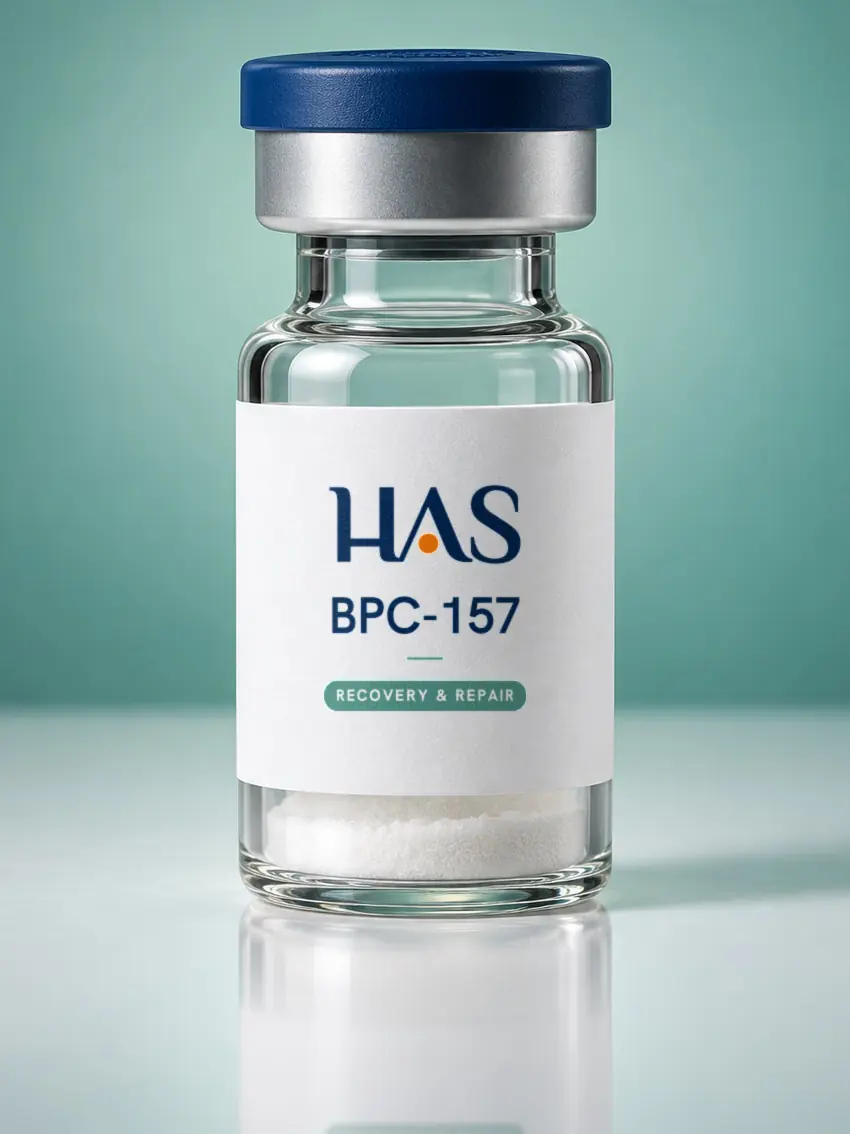
BPC-157 benefits and uses.
-
Tendon and ligament recovery
In rat studies, injured tendons and ligaments healed better with it than without it, a result repeated across independent research groups.
-
Muscle strain and training recovery
A favorite of active adults pushing through hard training blocks. Rat studies found improved healing after muscle crush and strain injuries.
-
Joint comfort
For a knee, shoulder, or elbow that will not settle. Most of the research is in animals, and a small human chart review of knee injections has been published.
-
Gut lining support
BPC-157 started out as a stomach-protecting peptide. In rat studies it protected the gut lining from injury and helped it heal.
- 15amino acids, from a protein in human gastric juice
- 36orthopedic studies in a 2025 systematic review
- 1990swhen the research on BPC-157 began
- Every vialcomes with its own certificate of analysis
How does BPC-157 work?
BPC-157's proposed mechanisms come from animal and cell studies. It appears to encourage new blood vessels to grow into injured tissue, which brings blood flow to the repair site. In tendon cells grown in the lab it increased cell survival and migration, two of the steps cells take to close an injury. It also appears to protect the cells that line the stomach and gut. How much of this carries over to people, and at what dose, has not yet been measured in human trials.
What does the research on BPC-157 show?
- Review
A 2025 systematic review of BPC-157 in orthopedics found 36 studies: 35 in animals or cells, and one in people. Vasireddi 2025
- Animal study
Rat studies of tendon, ligament, and muscle injuries have reported better healing with BPC-157 than without it, and the results are consistent across independent research groups. Bicer 2026, rat Achilles tendon
- Animal study
In rats, it has been studied for protecting the stomach and gut lining from injury and for healing it afterward. McGuire 2025 review
- Lab study
In tendon cells grown in the lab, BPC-157 increased cell survival and the cells' ability to migrate, steps in closing an injury. Chang 2011
- Human study
The only human report so far is a 2021 chart review of 16 people given knee injections for knee pain. It had no comparison group, so it cannot show what BPC-157 itself did. Lee 2021
BPC-157 side effects and safety.
- Side effects in people have not been measured in trials: FDA reported in 2026 that it found no study giving BPC-157 to people by any route.
- FDA's stated concerns are a possible immune reaction to the peptide and impurities from manufacturing.
- Every vial dispensed here arrives with its own certificate of analysis for identity and purity.
Because human safety data is limited, BPC-157 is prescribed only after Catherine Seidle, APRN reviews your history, and your follow-up checks how you are responding. Tell the office about any reaction at the injection site or anywhere else.
Starting BPC-157 in Jacksonville.
-
Free consultation
Ten to fifteen minutes by phone or video about what you want BPC-157 for.
-
Your visit
Catherine Seidle, APRN reviews your history, and labs where they are needed.
-
Your take-home vial
Prescribed and dispensed with bacteriostatic water and syringes, ready to use at home.
-
Follow-up
Your dose and schedule are adjusted to how you respond.
- No gray-market or research-chemical vials
- A certificate of analysis with every vial
- Prescribed by a licensed provider
Comparing your options?
Common questions.
What are the benefits of BPC-157?
People use BPC-157 for tendon and ligament injuries, muscle recovery, joint pain, and gut flares. Those uses come from animal studies, where BPC-157 has been studied for healing of tendon, ligament, muscle, and gut lining injuries with consistent results. A controlled human trial has not been published yet, so its benefits in people have not been measured.
What are the side effects of BPC-157?
Side effects in people have not been measured in trials. FDA reported in 2026 that it found no study giving BPC-157 to people by any route. Its stated concerns are a possible immune reaction and manufacturing impurities, which is why every vial here comes with a certificate of analysis. Tell the office about any reaction at the injection site or elsewhere.
How is BPC-157 taken?
Here it is prescribed as a take-home vial, with bacteriostatic water and syringes, injected under the skin. Your dose, your schedule, and how long you use it are set by Catherine Seidle, APRN at your visit.
How much does BPC-157 cost?
A take-home vial is $180, and it includes the bacteriostatic water and syringes. The consultation is free, and any visit or labs your plan needs are quoted before you start.
Is BPC-157 legal?
BPC-157 is not an FDA-approved drug, and it is prescribed here by a licensed provider. In 2026 FDA took it off its list of compounding substances with significant safety concerns after the nomination was withdrawn, and in July 2026 an FDA advisory committee voted to recommend adding it to the list pharmacies may compound. FDA has not issued a final rule.
BPC-157 vs TB-500: what is the difference?
Both are studied mainly in animals for tissue repair. BPC-157 comes from a protein in gastric juice and is studied most for tendon, ligament, muscle, and gut lining injuries. TB-500 is a fragment of thymosin beta-4, a protein in almost every cell, studied for wound and soft tissue healing. People often use the two together, a pairing sometimes called the Wolverine stack. Whether one, the other, or both fits is decided at your consultation.
How long does BPC-157 take to work?
No human trial has measured that, so there is no reliable timeline to quote. Your plan includes a follow-up to check how you are responding.
This information is for general education and is not medical advice, a diagnosis, or a substitute for care from your provider.

Tell us the goal. Get a real answer.
Ten to fifteen minutes with our team. Tell us why BPC-157 is on your radar, and we will help you decide whether it fits, and what the evidence actually supports.
We reply within one business day.