
PRP for joints, matched to your case.
Healing Advanced Solutions offers PRP injections for joints and soft tissue in Jacksonville, FL at $395 per session or $925 for a 3-pack, made from your own platelets.
- Made from your own blood
- Knee, joint, and tendon pain
- HSA and FSA eligible
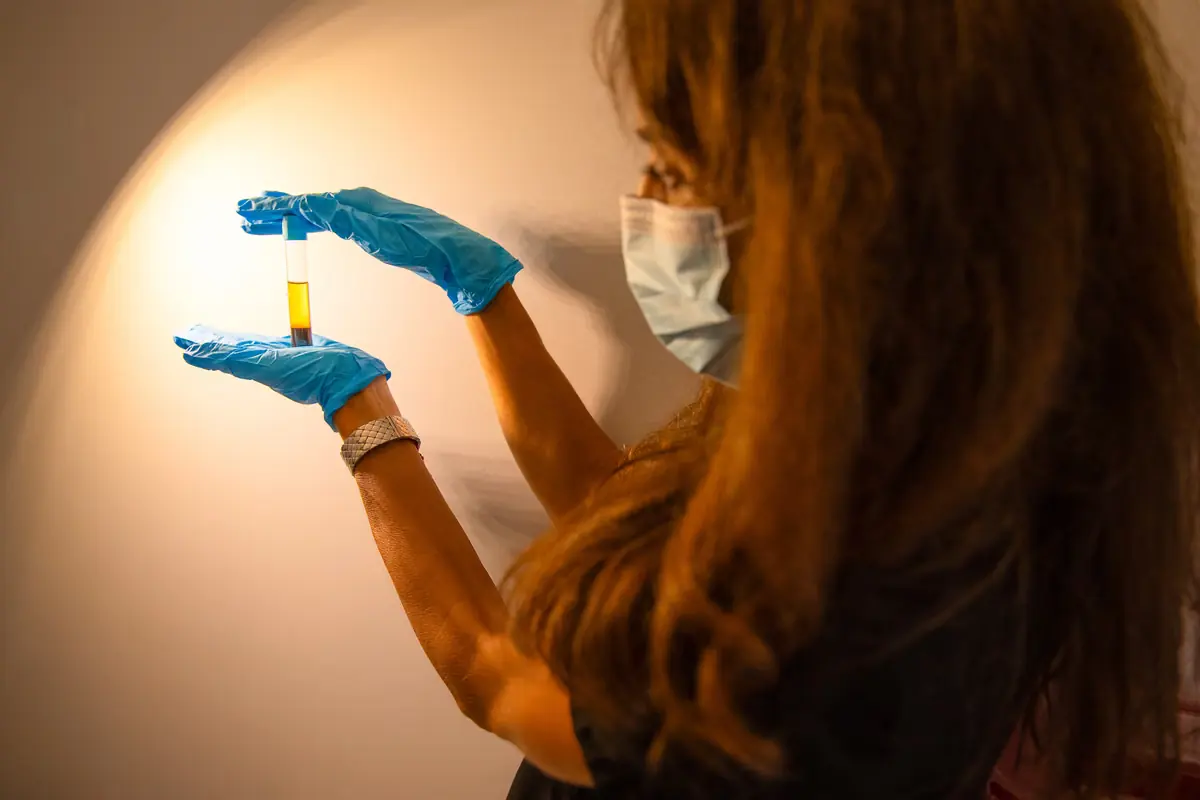
Your blood, concentrated, put to work.
A standard blood draw is spun down to concentrate your platelets, the cells that carry growth factors involved in tissue repair, and the platelet-rich plasma is injected into the joint or soft tissue that is struggling. The aim is calming irritated tissue and supporting healing. It is autologous, entirely from your own blood, which keeps the safety profile simple.
There is a reason joints are where PRP makes the most sense. Joints, ligaments, and tendons receive far less blood flow than skin or muscle, which is part of why they heal slowly on their own. A PRP injection delivers concentrated growth factors directly to tissue that limited circulation under-serves.
The trial support, use by use.
Does PRP work here? It depends on the joint, the condition, and the individual. Here is what the research supports.
-
Meta-analyses of randomized trials
Knee osteoarthritis
The most-researched PRP use in orthopedics, with controlled trials showing meaningful improvement in pain and function for many patients. This is the case PRP earns its reputation on.
-
Clinical studies
Tendons and other joints
PRP is used for tendon pain and other joint problems, and the clinical research varies by tendon and condition. Catherine tells you at your consultation how well your case fits.
PRP is not a replacement for surgery. For the right cases it can reduce pain and delay or avoid escalation, and helping you avoid surgery when possible is exactly the goal. When a case belongs with an orthopedic specialist, we help coordinate the referral, and the surgical call is theirs to make.
Some patients compare PRP with, or add, recovery peptides like BPC-157 and TB-500, often used together as the Wolverine stack. Both have been studied mainly in animals for tendon and soft tissue repair, while PRP for joints has its own controlled human trials.
Pricing, with aftercare included.
The first few days
Expect soreness at the site for a few days, then about 30 days of going easy on the treated area. The full aftercare is below.
NSAID timing matters
Skip anti-inflammatories around your injection; they can blunt the platelet response. The exact timing is part of the plan we give you.
Built over weeks and sessions
Improvement typically builds over weeks as tissue responds, and across a series of sessions rather than a single visit. Follow-up visits track it with you.
After your PRP injection
The same instructions you take home from your injection visit. Keep taking any medication you were prescribed, including NSAIDs, aspirin, blood thinners, corticosteroids, and osteoporosis medications, unless your prescriber tells you otherwise.
- From day one PRP works by starting a short, natural inflammation where it was injected, so leave it alone. No NSAIDs such as ibuprofen (Advil, Motrin), naproxen (Aleve), aspirin, or meloxicam unless they were prescribed for you, and skip anti-inflammatory supplements such as fish oil, turmeric, and curcumin. For pain, use Tylenol (acetaminophen) unless you have liver problems. No heating pads or ice packs.
- First 2 days No soaking: stay out of bathtubs, hot tubs, and lakes. Normal showers are fine. Itching is part of healing, but do not scratch the site.
- First 30 days Go easy on the treated area. Keep walking, stairs, yard work, aerobics, tennis, golf, and hiking to a minimum, and do not twist, compress, or overwork the area; after a knee injection, for example, no running, jumping, or pivoting. With no pain, increase activity gradually. If your pain is getting worse, you are doing too much, so rest for 2 to 3 days.
- Every day Drink plenty of water, enough that your urine is pale yellow or clear, and eat as clean and unprocessed as you can. Keep a daily log of your activity and pain level, and bring it to your visits.
- At 30 days Your follow-up visit, where we decide together whether you can do more. If you are not improving as expected, a booster PRP injection or a different injection is sometimes the right next step, and sometimes the answer is simply doing less.
When to call us
- Fever
- Drainage from the injection site, or redness that keeps spreading
- Severe pain, or swelling you did not expect
- Anything that feels like an emergency: call 911
$395 per session, 3-pack $925
Package pricing lowers the per-session cost, and a multi-session series is our standing recommendation; single sessions exist for patients who want to start smaller. Your plan is set at the consultation. Packages never expire and are transferable; unused sessions are not refundable.
Common questions.

How does PRP for joints work?
Your blood is drawn and spun to concentrate platelets, and the platelet-rich plasma is injected into the joint or soft tissue that is struggling. Platelets carry growth factors involved in tissue repair, and the aim is calming the irritated tissue and supporting healing. It is entirely from your own blood.
What does the evidence say?
It varies by joint, condition, and individual. Knee osteoarthritis is the best-studied use, with controlled trials showing meaningful improvement in pain and function for many patients. Tendon and other joint uses have clinical research that varies by tendon and condition, and Catherine tells you at your consultation how well your case fits.
Is PRP a replacement for surgery?
No. For the right cases it can reduce pain and delay or avoid escalation, and helping you avoid surgery when possible is exactly the goal. When a case belongs with an orthopedic specialist, we help coordinate the referral, and the surgical call is theirs to make.
How many injections will I need, and when does it help?
A multi-session series is our standing recommendation, set at your consultation; single sessions exist for patients who want to start smaller. Improvement typically builds over weeks as tissue responds, and across the series rather than a single visit.
How much does a PRP knee or joint injection cost?
$395 per session, or $925 for a 3-pack when your plan is a series. PRP is cash-pay here and HSA and FSA eligible, with the price posted before you book.
What is the downtime?
Expect soreness at the site for a few days, then about 30 days of going easy on the treated area while it heals; after a knee injection, for example, no running, jumping, or pivoting. Skip anti-inflammatories, ice, and heat unless prescribed, because the platelet response depends on a short, natural inflammation. The full aftercare is on this page and comes home with you in writing.
Other regenerative options: the PRP facial · PRP for hair · regenerative tissue therapy.
Want the whole regenerative picture? See Regenerative MedicineThis information is for general education and is not medical advice, a diagnosis, or a substitute for care from your provider.
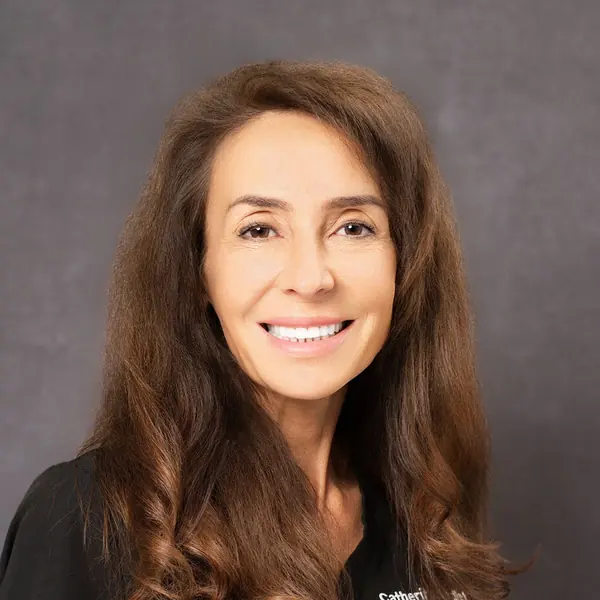
Bring the joint. Get a plan.
A free consultation, ten to fifteen minutes. Tell us where it hurts and what you have tried, and we will help you decide whether PRP fits your case.
We reply within one business day.